Fashion StylesBuying guide
Choosing Sunglasses That Protect Your Eyes and Fit Your Face
UV400 and a CE or UKCA mark matter more than shade. Here is how to read filter categories 0 to 4, decide on polarised lenses, and check frame fit.
Start with the label, not the shade
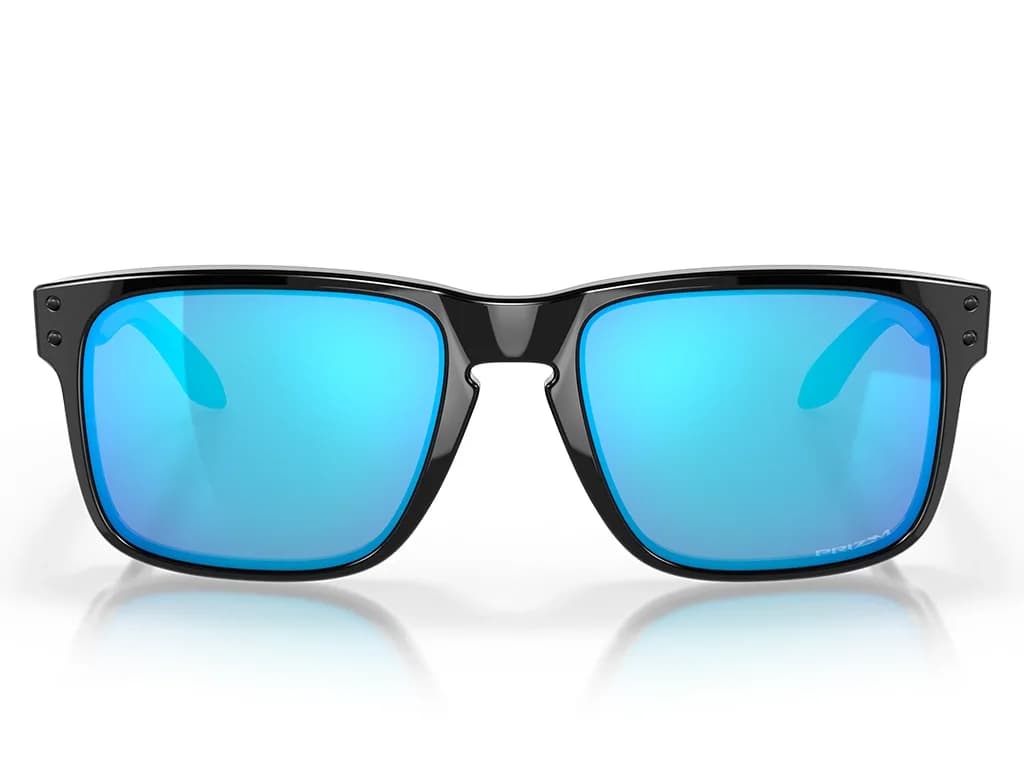
Most people choose sunglasses by how they look, and there is nothing wrong with that. The trouble starts when the shade is treated as a sign of protection. It is not. The American Academy of Ophthalmology advises that you select sunglasses that provide 100% UV or UV400 protection, or block both UV-A and UV-B rays. That check comes before colour, shape or price. Why does the label go first? Because it is the only part of the pair that tells you anything about UV at all.
Why bother with a label on a cloudy day? Because the light still gets through. The brand's own UV guide says it plainly: "UV rays can damage your eyes on even the cloudiest of days." So the label matters in March as much as in August.
This guide works through the label, the filter category, polarisation, lens material and frame fit, in that order. Read the label first. The rest is much easier after that.
What the UV statement and the CE or UKCA mark tell you
Look for two things. The first is a UV statement, either 100% UVA and UVB or UV400. The second is a mark. The RNIB, the UK charity for sight loss, says to check for the CE quality mark or British Standard BS EN ISO 12312-1, and notes that this information is printed on the inside of the arms. The UKCA mark is the UK equivalent, and the same RNIB advice accepts it alongside CE.
Moorfields Eye Hospital, an NHS trust, makes a related warning. It advises looking for the CE mark, and it says fake sunglasses often provide little or no protection from the sun. A pair with no marks and no UV statement is not a bargain. It is a gamble with your eyes.
Price does not settle it either. The RNIB says a cheap pair with UV protection and a CE or UKCA mark is better than an expensive or designer pair without one.
So what does a label promise? It confirms that the lens meets a standard. It does not tell you whether the frame fits your face, or how the lens looks at dusk.
The five filter categories, and what each is for
BS EN ISO 12312-1:2013 sorts sunglass filters into five categories, numbered 0 to 4, by how much visible light they let through. The College of Optometrists, which cites that standard, gives the bands in the table below. The uses listed are the ones the sources describe, not a full list.
The pattern is simple. The higher the number, the darker the lens and the less visible light gets through. Is a darker lens safer? Not on its own. Darkness is not UV protection, though. The brand's UV guide says the darkness of the lenses has nothing to do with UV protection, and the RNIB says darker lenses do not always offer more protection.
Category 3 is the choice most people will want for everyday sun. The brand's UV guide calls it the most common category, suited to everyday use. Category 4 is very dark, and the brand's UV guide says it is best suited to activities such as snowboarding and skiing. Keep it out of the driving pair. The College quotes the standard directly: "Filters suitable for road use and driving shall be of categories 0, 1, 2 or 3."
The category describes the tint. The label describes the UV filter. Check both, because one does not tell you the other.
Polarised or not: glare is the job, not UV
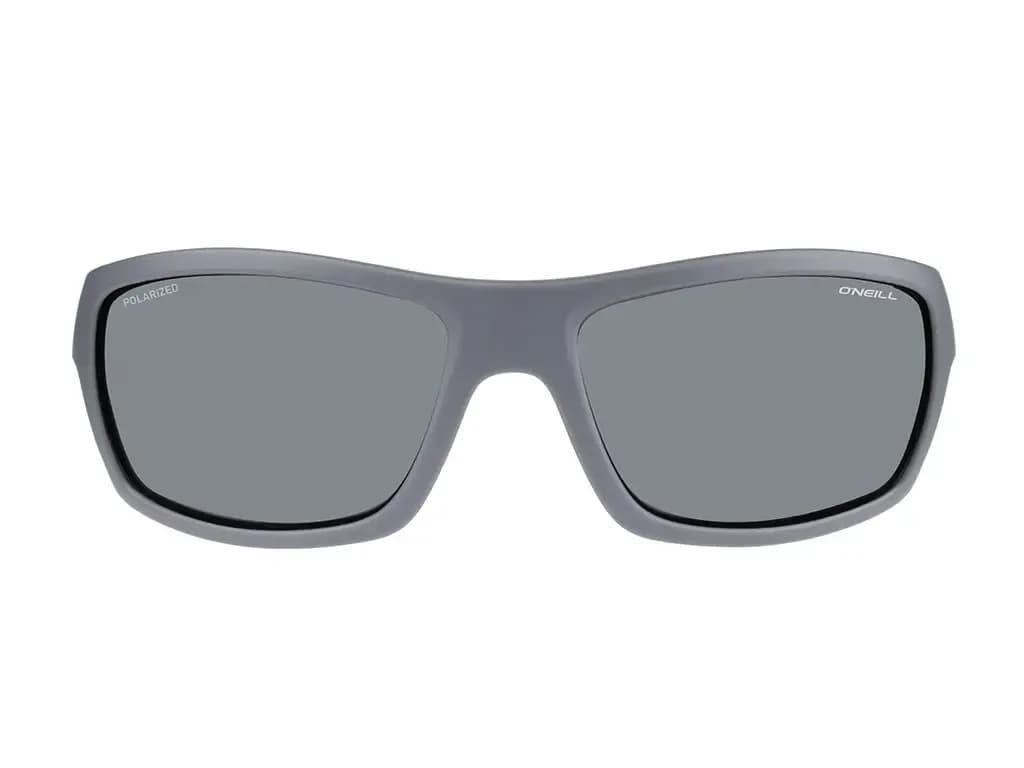
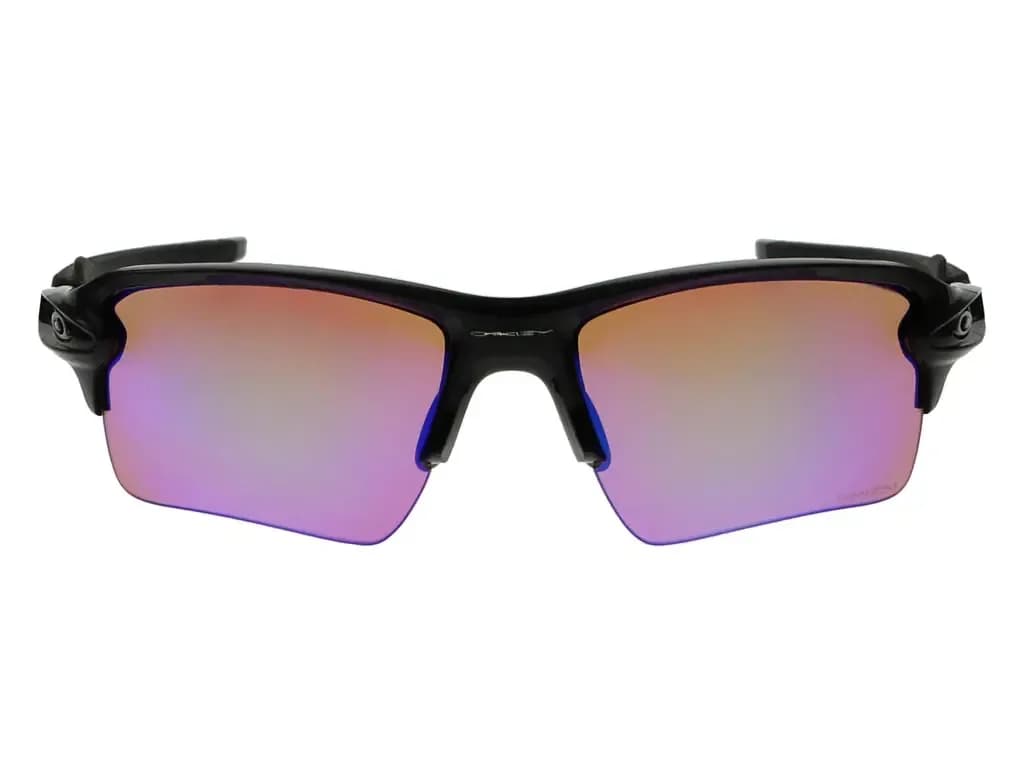
Polarised lenses cut glare from flat, reflective surfaces such as water and roads. The brand's sunglasses type guide describes them as reducing glare from bright light when it reflects off flat surfaces, and it recommends them for time near water and for driving.
Here is the catch. Does polarisation add UV protection? It does not. The same brand guide says polarised lenses must be combined with a UV filter to protect against UVA and UVB rays. So a polarised pair still needs its UV statement. The polarised product pages in this article do state 100% UVA and UVB protection, which is the check you want to see.
If glare is not your problem, a non-polarised lens with the same UV statement does the same UV job. Choose polarised when glare is the thing that bothers you, around water or on the road. The guides do not say how much less glare you will notice, so judge that in a shop, or with the brand's virtual try-on, if you can.
Lens material: impact and weight, not UV on its own
Lens material mostly changes how a lens handles knocks and how heavy it feels. Zeiss describes polycarbonate as "a high-performance thermoplastic known for its exceptional impact resistance", and says it "offers great protection against impact and offers high abrasion resistance." Zeiss also says polycarbonate gives 100% UV protection. Treat that as the manufacturer's claim, and check the label on the pair you buy.
The trade-off is fitting. Zeiss says polycarbonate is "Not recommended for drilling and for rimless designs." If you want a rimless frame, ask about the lens material before you buy, because the lens and the frame have to suit each other.
Coatings are a separate question. The brand's tint guide says a mirror coating sits on the front of the lens, with a tint behind it, and it describes mirrored lenses as improving comfort in bright conditions. The mirror is a surface finish. It is not a UV rating, so it does not replace the label.
What this does not tell you: the sources used here do not compare every lens material, so check the material on each product page rather than assuming.
Frame fit: width, bridge, temples and face shape
A lens can carry a perfect label and still leave a gap at the sides. The brand's face-shape guide says: "Sunglasses should be as broad as your face at the temples that cover your entire eye area." It adds that this helps block light from the sides and from above.
Coverage works the same way. The RNIB says to choose the largest lenses that fit your face comfortably, and that wraparound styles help block harmful UV light entering from the sides. Comfortably is the word that matters in that advice. What if the lens is too small for your face? Light leaks in around the edges.
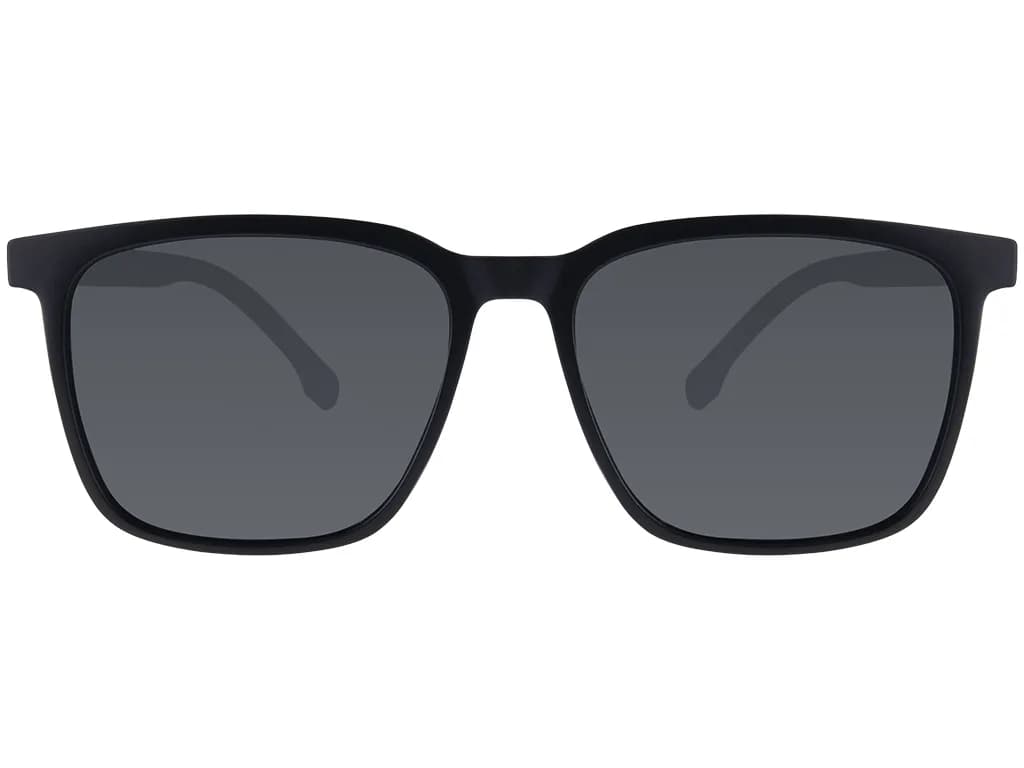
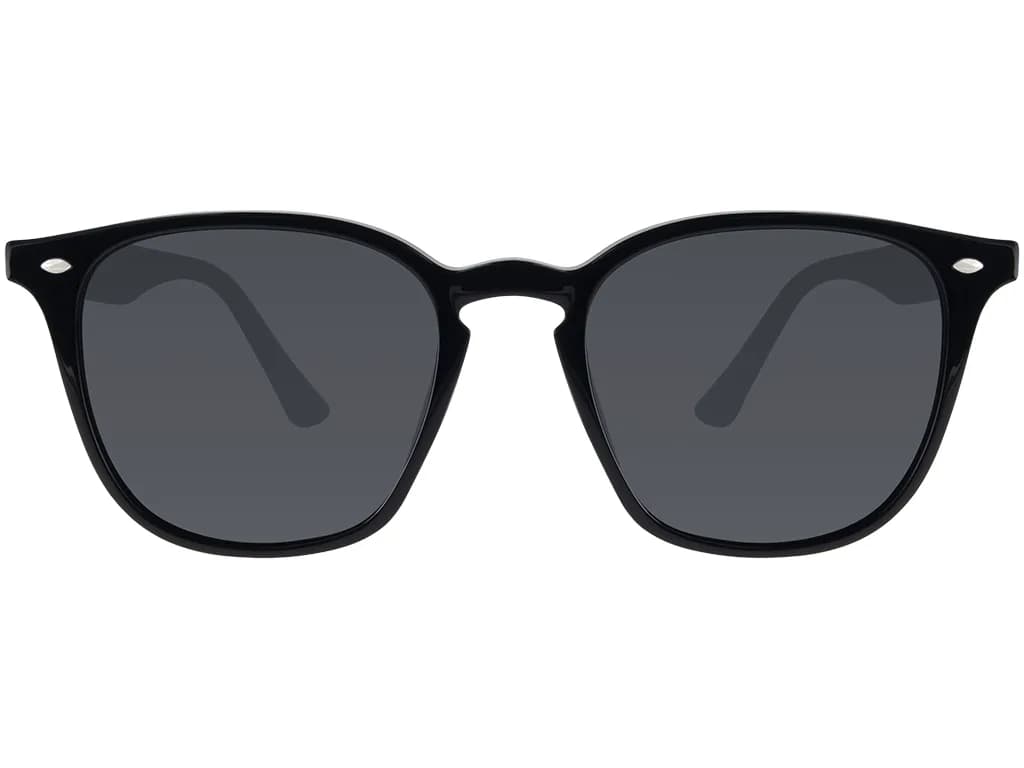
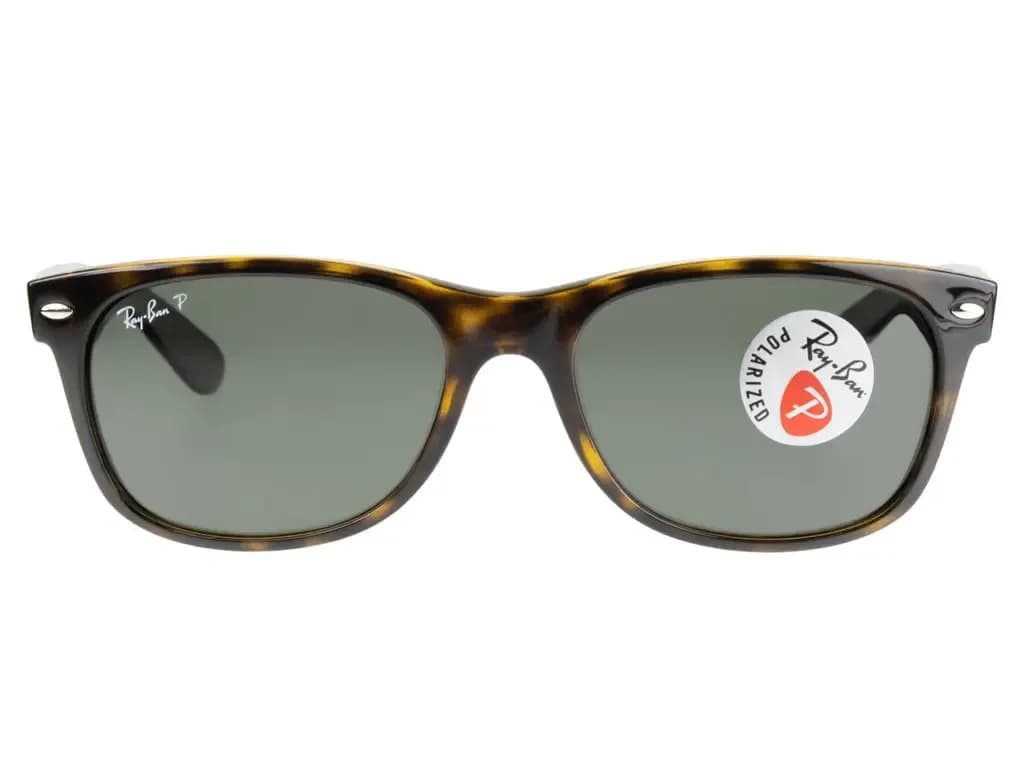
Measurements are the next check. The Feel Good Contacts product pages list five figures under frame measurements, but the text does not label them. The Shaw 56 Black Polarised is listed as 56 mm, 17 mm, 146 mm, 145 mm and 43 mm. The Ray-Ban RB2132 New Wayfarer Tortoise page describes its frame as reduced in size and suited to smaller faces. Compare the listed figures with a pair you already own and like, rather than judging by the photo alone.
Face shape comes last, and it is the most flexible rule. The brand's face-shape guide suggests square, rectangle or wayfarer shapes with dark, thick frames for round faces, and round or oval frames for square faces, to soften the angles. Treat that as a starting point. How the frame sits on your nose and ears counts for more than any chart.
What this does not tell you: the brand's guide does not cover bridge width or temple length. If a pair pinches at the nose or the arms slide, the fit is wrong for you, whatever the label says.
A checklist before you buy
Run through this list on the product page before you add a pair to the basket.
1. Find a UV statement: 100% UVA and UVB, or UV400.
2. Find a CE or UKCA mark, printed on the inside of the arm.
3. Pick a category for the job. Category 3 suits everyday sun, and category 4 is for very bright conditions such as snow sports.
4. Keep category 4 out of the driving pair, because the standard's road rule covers categories 0 to 3.
5. Decide whether glare is the problem. If it is, choose polarised, and check the UV statement either way.
6. Check the frame is as broad as your face at the temples.
7. Compare the listed measurements with a pair that already fits.
8. Ask about the lens material if you want a rimless frame.
When to see an eye-care professional
Sunglasses are a daily habit that helps, not a treatment. If something about your eyes worries you, such as pain, a change in your vision, or light sensitivity that does not settle, book a check with an optician or an eye doctor rather than trying to solve it with a shade. Can a pair of sunglasses treat a symptom? No, and it should not be asked to.
Prescription wearers have an extra question. The RNIB says most prescription glasses come with a built-in clear UV filter, and that if you are not sure, you should ask your optician. Children need extra care too. The RNIB says children's clear young lenses let them absorb much more UV light than adults, so check the CE or UKCA mark on children's pairs as well.
This article is general information. It does not diagnose anything and cannot tell you which lens suits your own eyes.
The verdict
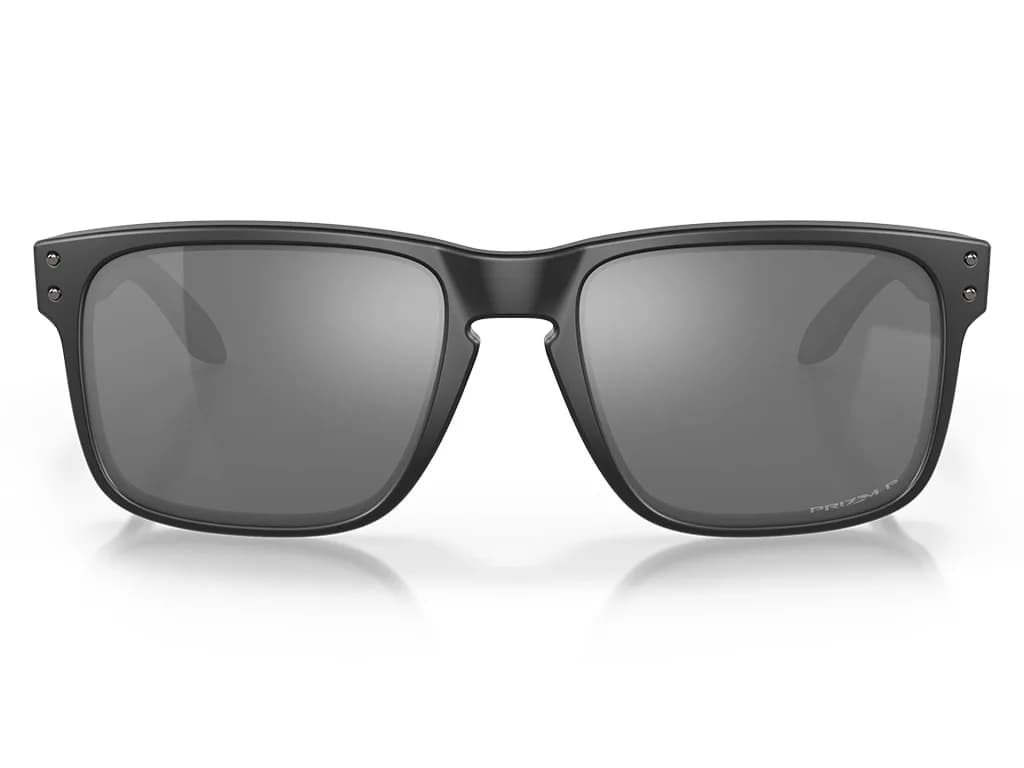
For most people, the right pair is a labelled pair first and a stylish one second. Pick a pair with a UV statement, a CE or UKCA mark, a category that matches your day (category 3 for everyday sun), and a frame broad enough at the temples. The Feel Good Contacts sunglasses page lists polarised, mirrored and gradient pairs, and its product pages state UV protection, so you can run this check before you buy.
The one real downside is the dusk and night trade-off. A category 3 pair is not the one for driving at twilight or at night. The College of Optometrists says sunglass filters with luminous transmittance below 75% are not suitable for road use in twilight or at night, and categories 2 to 4 all sit below that line. So do not use your everyday pair for those hours.
Key specs
- UV statement to look for
- 100% UVA and UVB, or UV400 (American Academy of Ophthalmology)
- Mark to look for
- CE or UKCA, with the standard BS EN ISO 12312-1 (RNIB), printed on the inside of the arms
- Road use under the standard
- Categories 0 to 3 only (BS EN ISO 12312-1, quoted by the College of Optometrists)
- Twilight and night
- Filters under 75% luminous transmittance are not suitable for road use at twilight or night (College of Optometrists)
- Shaw 56 Black Polarised frame measurements
- 56 mm, 17 mm, 146 mm, 145 mm, 43 mm, as listed on the product page (figures not labelled)
Side by side
| Visible light passed | Use described in these sources | |
|---|---|---|
| Category 0 | Over 80% to 100% | Very light or clear tint. The sources cited do not describe an outdoor use for it. |
| Category 1 | Over 43% to 80% | Light tint. |
| Category 2 | Over 18% to 43% | Medium tint. |
| Category 3 | Over 8% to 18% | Dark tint. The brand's UV guide calls it the most common choice for everyday use. Road use is allowed. |
| Category 4 | Over 3% to 8% | Very dark. The brand's UV guide says it suits snowboarding and skiing. Not for driving. |
Buy a labelled, CE or UKCA marked pair in category 3 for everyday sun, with a frame as broad as your face at the temples. The one real downside: category 3 is not a pair for twilight or night driving.
What works
- A UV statement and a CE or UKCA mark make the basic check quick, as both the AAO and the RNIB advise.
- Polarised lenses reduce glare from water and roads, according to the brand's UV guide.
- Wraparound and larger lenses add coverage at the sides, according to the RNIB.
What doesn’t
- Category 3 is not suitable for road use at twilight or night, because the College of Optometrists gives 75% transmittance as the limit for those hours.
Sources
- The Feel Good Contacts sunglasses page
- The brand's own UV guide
- The brand's face-shape guide
- The brand's tint guide
- Shaw 56 Black Polarised
- American Academy of Ophthalmology: Sun, UV Light and Your Eyes
- RNIB: How to protect your eyes from the sun
- College of Optometrists: Tints and driving (cites BS EN ISO 12312-1:2013)
- Moorfields Eye Hospital NHS Foundation Trust: Looking after your eyes in the sun
- ZEISS Sunlens: Polycarbonate sun lens material