Fashion TrendsRoundup
Five everyday shoe types and what to read on each product page
Everyday shoe types, five of them: sneakers, loafers, ankle boots, low-heeled sandals and weather-ready boots, with the product-page fields to check on each.
Five everyday shoe types, one checklist
Most city wardrobes have the same gaps. You need something for the walk to work, something for a dinner that is not formal, something for wet pavements, and something for Saturday that does not look like sportswear. Five shoe types cover most of those jobs, and each one turns up on a product page with the same handful of fields to read.
Those fields are the upper, the lining, the sole, the heel height, the closure and the care line. Think of the list as a way to read a product page, not as a ranking. This guide goes through the five types in order and says what each field tells you. The examples come from the women's range on the brand's own shop, and every spec quoted below is taken from the product page it names. Where a page leaves a field out, the guide says so instead of filling the gap.
1. Sneakers: read the sole and the insole before the colour
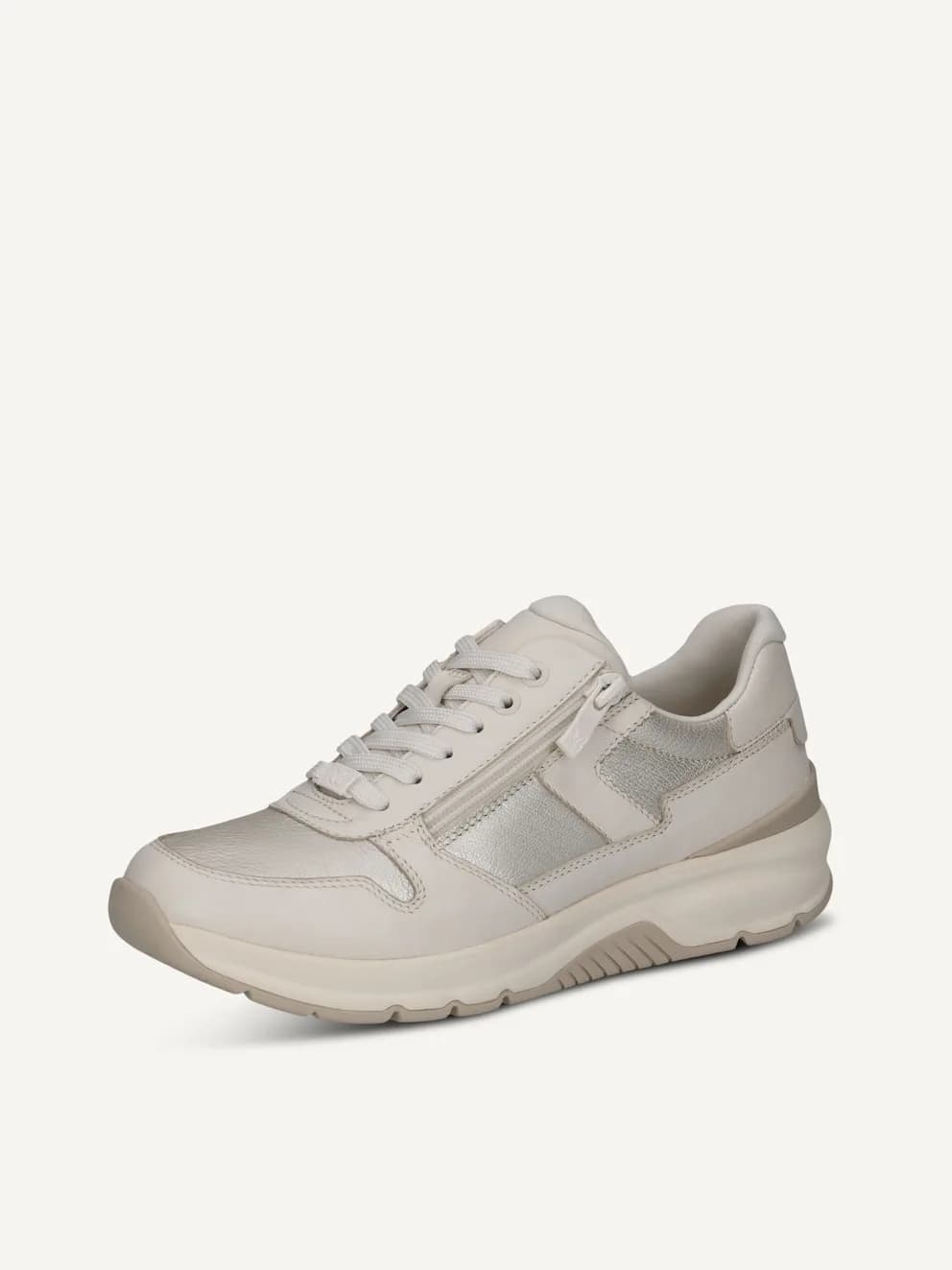
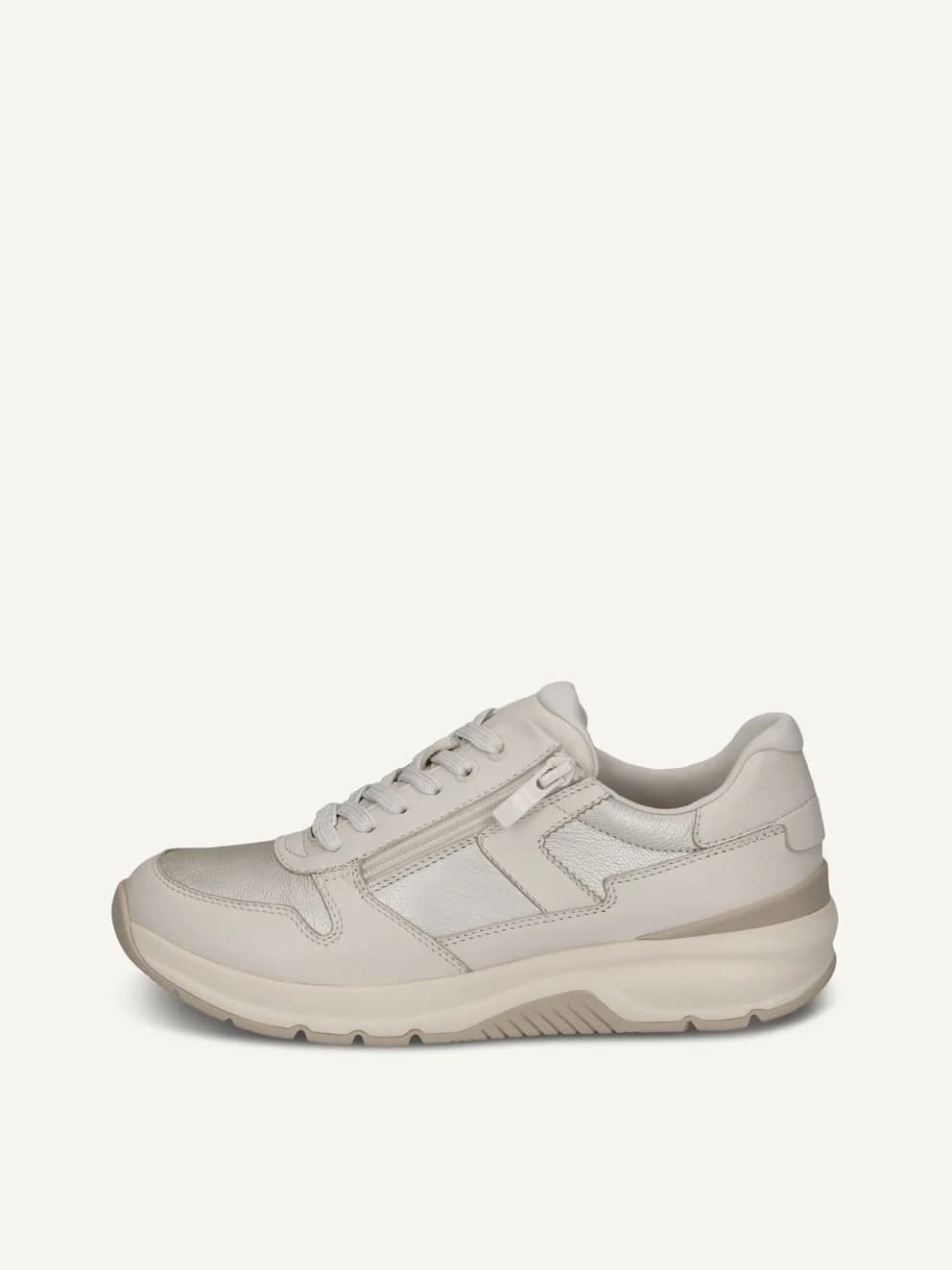
The sneaker is the shoe most people reach for first, and its product page gives you more to check than the photo does. Start with the upper. The white leather sneaker lists leather as the upper material, a textile and synthetic blend as the inner, a textile cover sole and a synthetic outsole. Why does the outsole matter? Because it is the part that meets wet stone and painted steps, and a line that says synthetics tells you the material, not how the surface will feel underfoot.
The sole copy is where the page makes its claims. It describes a rounded, flexible and slip-resistant sole, plus a removable footbed that can be swapped for special insoles. Read those lines as the manufacturer's description. No test result is printed next to them. The page lists the heel type as no heel, with a 4 cm heel height, the closure is lacing with a zip, and the removable insole is listed as yes. The brand's care tips ask for three thin coats of protector spray on leather and textile shoes before the first wear, with 15 minutes of drying between coats. Do you wear your shoes on wet pavements more than on dry ones? The answer decides how much the care line matters to you.
2. Loafers and ballet flats: the closure and the heel tell the story
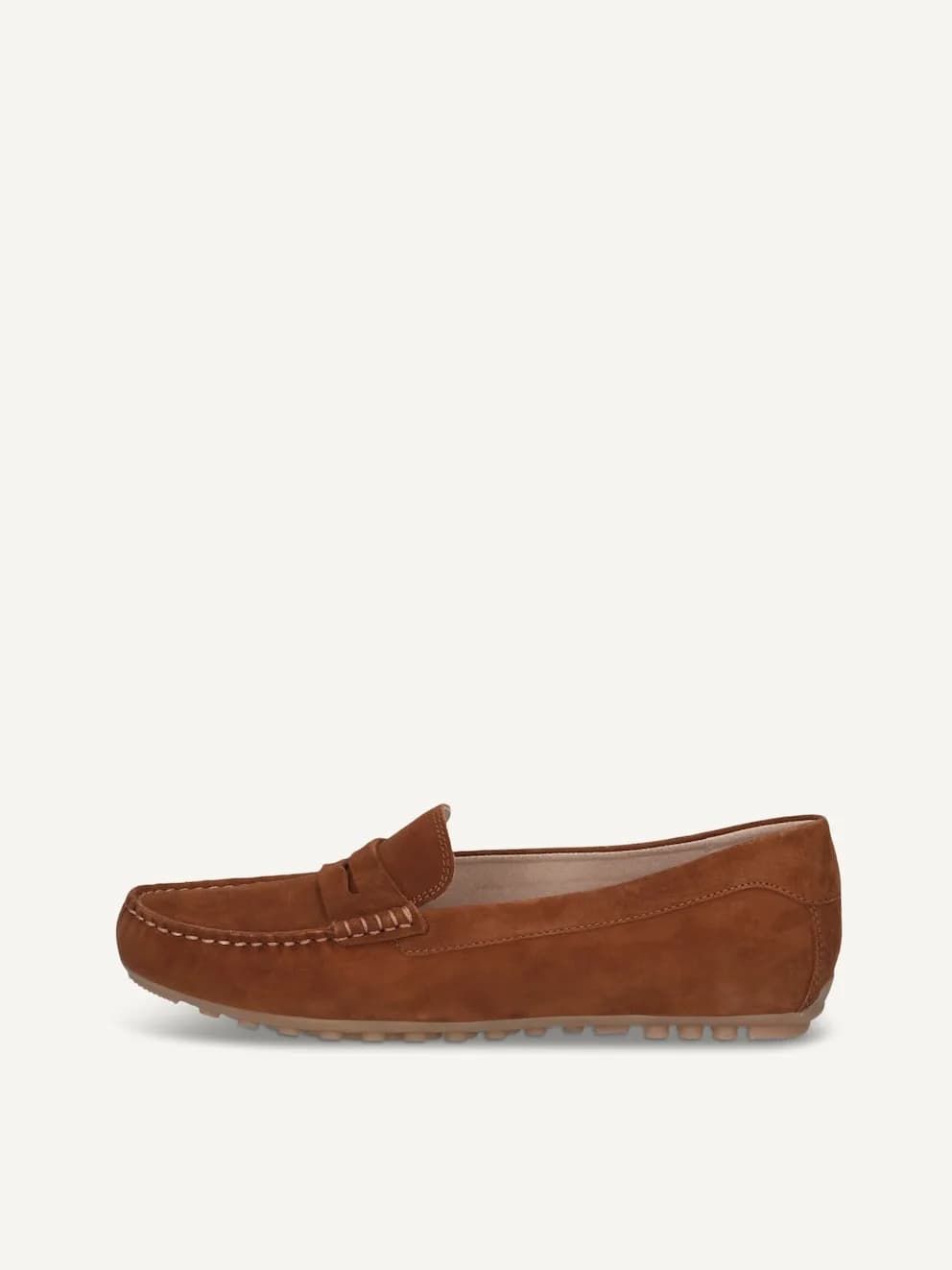
A slip-on trades a closure for a faster on and off, and the product page shows that trade in the closure line first. The brown leather moccasin lists its closure as "without", a 1 cm heel, a leather upper and a leather cover sole. Its insole is listed as not removable, and the page describes AIRMOTION cushioning in the sole. If you plan to use your own footbed, that single line is the one to read before you buy.
The ballet-style option is the one to read for the heel and the toe. The black leather ballerina lists a trapeze heel at 2 cm, a square toe, a clasp closure and a removable insole set to no. A flat like this has few fields to check, which is the point. Is a leather upper with a synthetic inner the right balance for your week? Only you can answer that, but the page gives you the facts to answer it. Does the clasp suit the way you put shoes on in a hurry? A closure you cannot manage one-handed is a small problem that shows up every morning.
3. Ankle boots: the shaft height and the zip do most of the talking
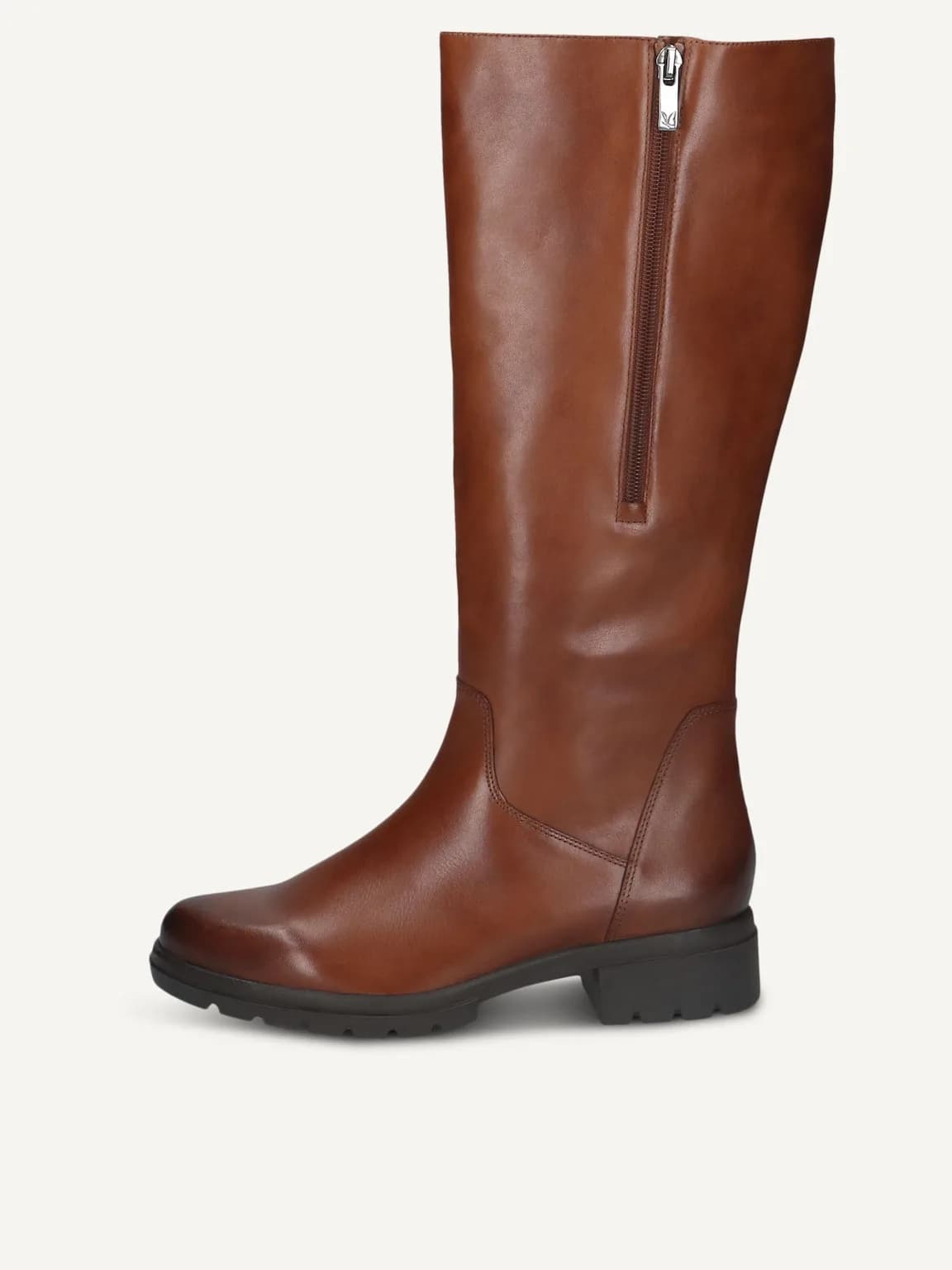
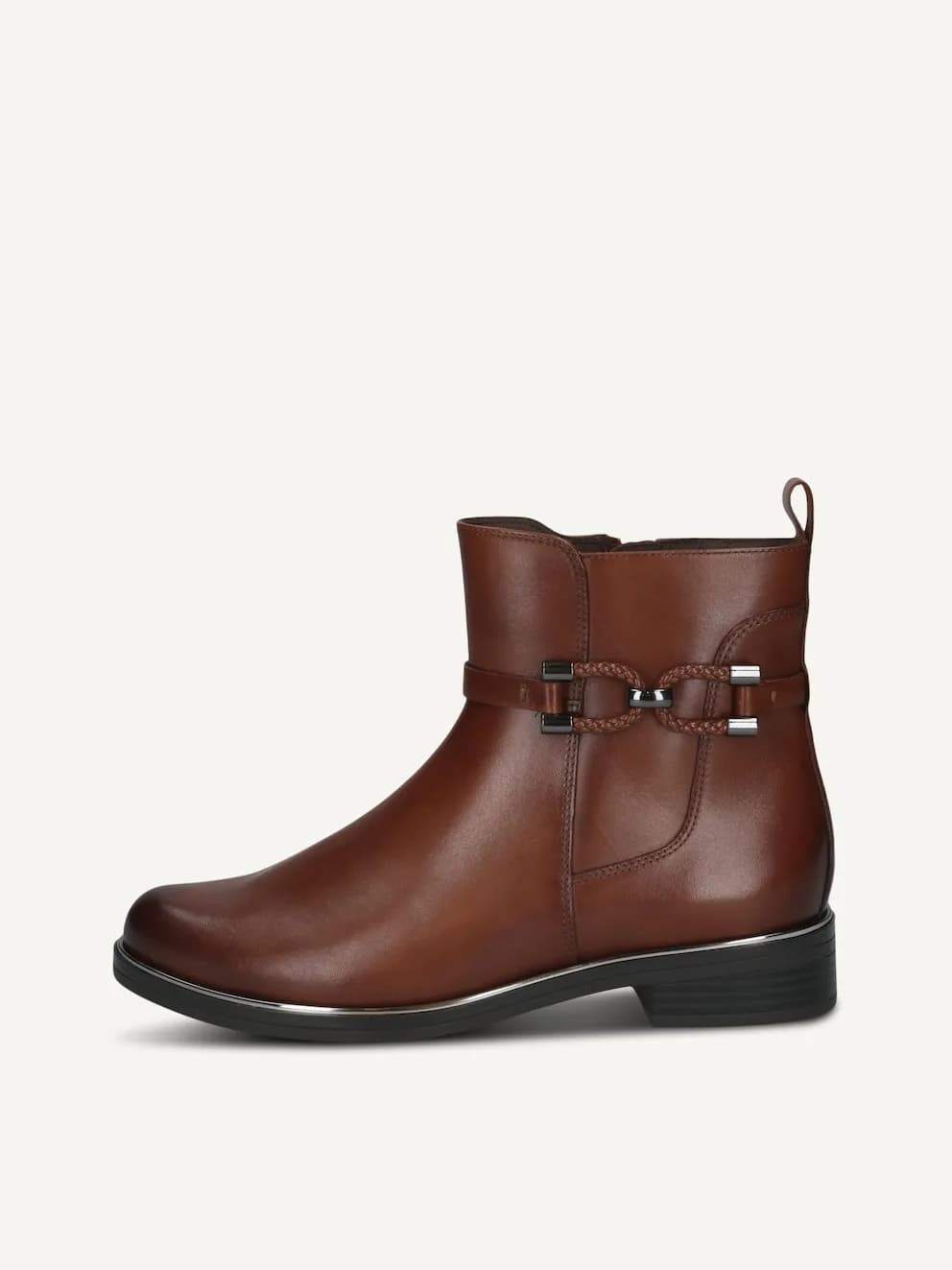
An ankle boot is defined on its page by the shaft. The brown leather bootie lists a 14 cm shaft, a leather upper, a zip closure, and a 4 cm heel height with the heel type listed as no heel. The inner is a textile and synthetic blend and the outsole is synthetics, which are the same fields you read on the sneaker. The shaft height measures the boot, not your leg, so the page tells you about the boot and nothing about how it will sit on any particular ankle.
The second place to look is the sole and the footbed. The photo shows a low stacked heel with a thin metal trim along the edge of the sole, and the page lists the insole as removable. The page also describes a MEMOTION footbed, which it says adapts to the shape of the foot. Is that a feature you need, or a line you can skip? For the care line, the brand's care page recommends a leather cream applied from heel to toe, a shoe tree for leather shoes, and a wax-based protector spray for nappa leather. Check which finish your boot has before you buy the spray.
4. Low-heeled sandals: read the heel name, not just the height
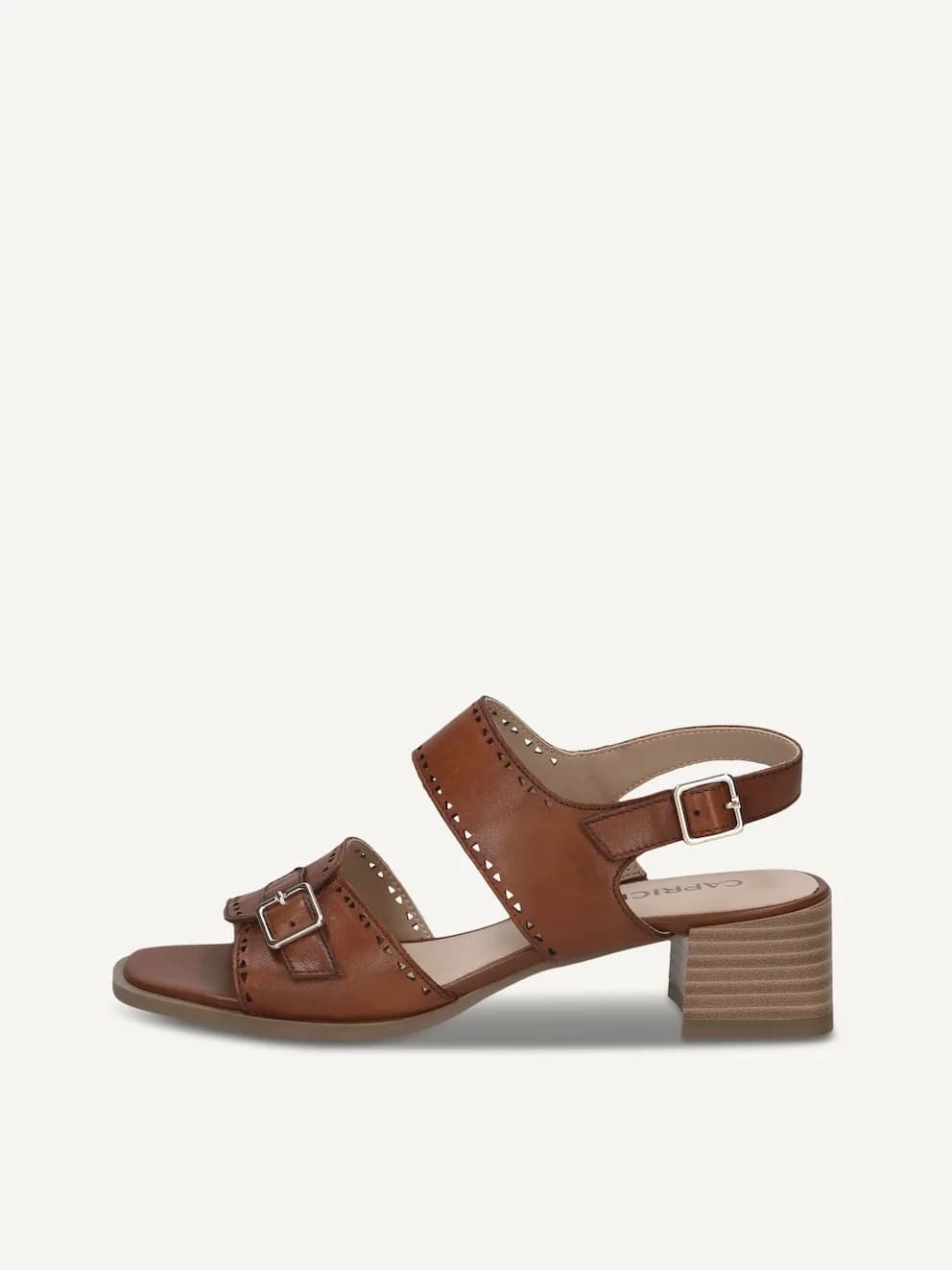
A low heel can look like a block heel in a photo and still be named something else on the page. The brown leather sandal lists a trapeze heel at 4.8 cm, a square toe, a clasp closure and a removable insole set to no. In the photo the heel has straight, stacked sides that read like a block. Would you notice the difference in a shop, or only at home? The page says trapeze, so trust the spec table for the name and the photo for the shape. None of the sandal pages opened for this guide lists a block heel. The heel types on those pages were none, wedge and trapeze.
The upper and the closure come next. Most sandals in the sandals range list a leather upper with a hook-and-loop fastener, and some have a clasp. Many list no heel at all, and the heel height is then the only number to compare. The brand's care tips say a smooth-leather sandal takes a neutral or coloured cream, and that deer leather should be treated only with colourless wax and kept away from water and strong heat. The page also describes ANTISHOKK technology in the heel, which the brand presents as cushioning. Treat that as the brand's description, not as a measured result.
5. Weather-ready boots: a water-repellent line is a claim, not a test result
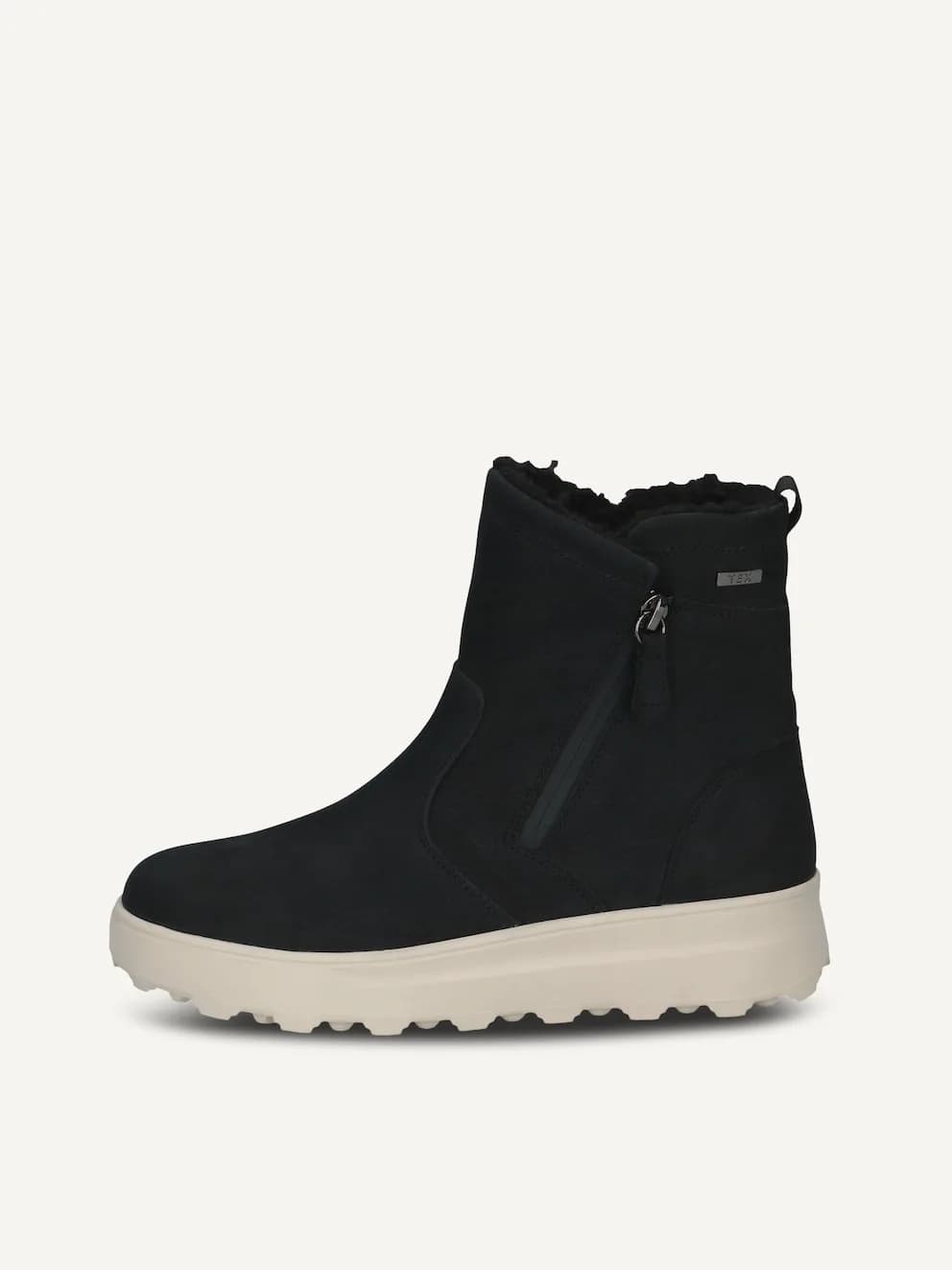
The black bootie is the weather-ready choice in this set. Its page says a TEX membrane sits between the upper and the lining, and that it protects the feet against moisture and enhances the water-repellent function. The same page lists leather as the upper, a 14 cm shaft, a 4 cm heel, a zip closure and a removable insole set to yes. The photo shows the TEX badge on the shaft and a cream sole. The brand's TEX range page groups other styles under the same name.
The word to notice is water-repellent, which is not the same as waterproof. A repellent upper can shed a light shower and still let water through over time, and the page does not name a test or a standard. For a sense of what a number would look like, the independent test lab SATRA describes how water resistance is checked for safety footwear: the methods in EN ISO 20344, which the safety footwear standard points to, include a human trough walk of 100 lengths, or a machine flex test with an 80 minute run. Those methods are for safety footwear, so read them as an example of what a figure can mean, not as the standard for this boot. Would a number on the label change your choice? It should, if the number names a method. For nubuck, the care page says to brush before cleaning and to use a nubuck product locally.
Verdict: start with the sneaker, and keep a boot for wet weeks
If you can add only one shoe from this list, make it the sneaker. Its page gives you the most fields to check: a leather upper, a textile cover sole, a synthetic outsole, a 4 cm heel, lacing with a zip, and a removable footbed. It is also the shoe in this list with the fewest specialised features to learn, which makes it the simplest default. Is that a fair reason to start there? For most people building a first set of everyday shoes, it is.
The downside is weather. The white sneaker's listed materials include no water-repellent layer, so on a wet day the weather-ready bootie is the better match, and it is the only shoe in this list whose page makes a water claim at all. Keep the boot for that job, follow the care tips before the first wear, and read the product page for the fields above before you add anything to the basket.